


-

Add: HeBei ShengShi HongBang Cellulose Technology CO.,LTD.
-

Email
13180486930@163.com -

CONTACT US
+86 13180486930

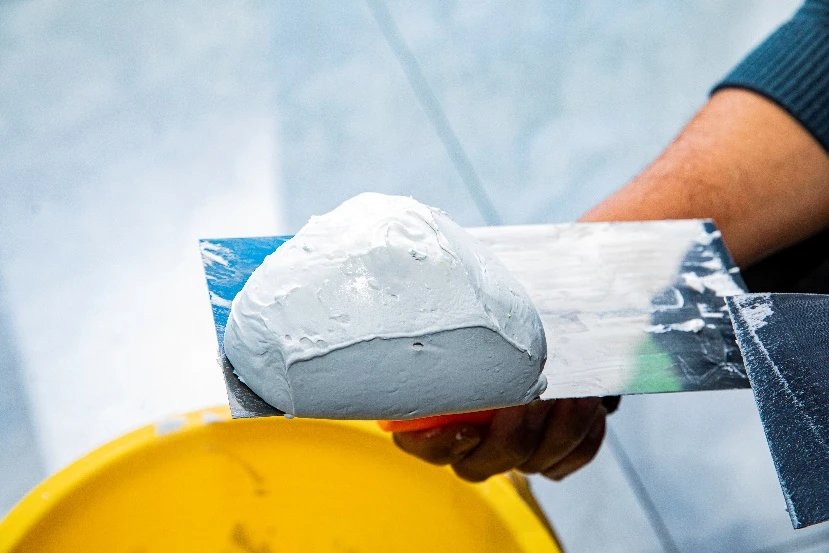


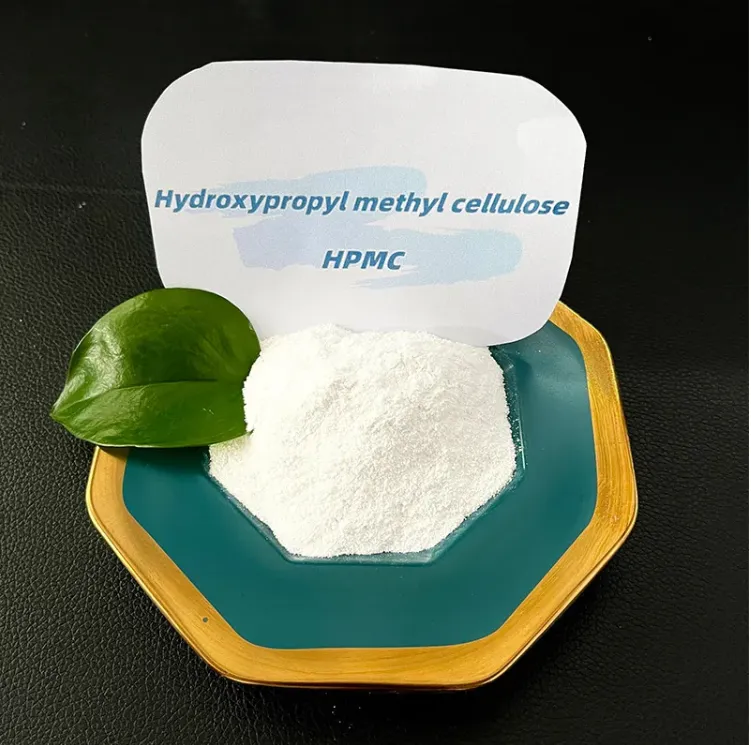
In today’s competitive construction industry, the demand for high-performance additives has surged, making HPMC for sale a crucial commodity for builders, contractors, and manufacturers. Hydroxypropyl Methylcellulose (HPMC) is an advanced construction additive derived from cellulose, designed to enhance the workability, adhesion, and water retention properties of various cement-based and gypsum-based formulations. If you’re looking for HPMC for sale , you're likely involved in producing or applying materials such as tile adhesives, wall putty, self-leveling mortars, plasters, or exterior thermal insulation systems. This versatile compound serves as a thickener, binder, and stabilizer. It plays a significant role in adjusting the setting time, preventing sagging in vertical applications, and achieving better finishes. Choosing HPMC for sale ensures that your dry-mix mortar maintains consistent viscosity and texture during application. It allows construction materials to retain water longer, leading to improved curing, stronger adhesion, and better cohesion of applied products. In demanding climate conditions or rapid project timelines, these benefits are particularly invaluable. When selecting HPMC for sale , quality and grade matter. Construction-grade HPMC varies based on viscosity, setting time, and application method. Whether you're formulating lightweight gypsum plaster or durable tile adhesive, a tailored HPMC for sale selection will boost efficiency, quality, and product satisfaction. Hydroxymethyl Cellulose: A Key Ingredient for Superior Construction Performance Hydroxymethyl cellulose , often compared with HPMC, is another high-functioning cellulose ether that contributes significantly to modern construction chemistry. Though chemically distinct, hydroxymethyl cellulose shares several functional benefits that make it suitable for building applications, especially where water retention, bonding strength, and smooth application are desired. When used in plaster, hydroxymethyl cellulose allows for extended open time, ensuring smoother finishes and better leveling. Its water retention capability is particularly advantageous in hot or dry conditions where traditional materials dry too fast, causing cracks and poor bonding. In tile adhesives, hydroxymethyl cellulose increases initial tack and reduces tile slippage. This makes it ideal for vertical installations and heavy stone or ceramic tiles. It also ensures tiles can be repositioned during installation without compromising final adhesion. For external insulation systems and renders, hydroxymethyl cellulose provides the necessary rheological control to maintain consistency throughout application. Its film-forming abilities result in more uniform coatings and improved resistance to water penetration or weathering. Manufacturers seeking long-term reliability in construction formulas increasingly incorporate hydroxymethyl cellulose due to its stable performance across different cement and gypsum systems. It is non-reactive, compatible with a wide range of additives, and ensures consistent quality across production batches. How Hydroxypropyl Cellulose Safe Grades Boost Construction Efficiency There’s growing interest in using hydroxypropyl cellulose safe formulations in construction due to their balance between performance, safety, and environmental sustainability. Hydroxypropyl cellulose safe for use in building products offers not only technical advantages but also reduced health risks for workers and minimal environmental impact. In cement-based mortars, hydroxypropyl cellulose safe grades function as thickening agents, providing excellent water retention and improved cohesion. These properties are essential for reducing cracking and increasing the durability of structures such as floors, walls, and ceilings. Wall putties enriched with hydroxypropyl cellulose safe improve application properties such as spreadability, work time, and surface smoothness. It minimizes dust generation during mixing and troweling, promoting a healthier work environment while enhancing end-user satisfaction. In tile adhesives, hydroxypropyl cellulose safe compositions increase bonding strength while preventing sag or slip in vertical applications. These features reduce installation failures and allow for more efficient use of labor and materials on-site. Another compelling advantage is its environmental friendliness. Because hydroxypropyl cellulose safe formulations are non-toxic and biodegradable, they are preferred for sustainable building projects, especially in green-certified developments or eco-friendly housing projects. Comparing HPMC for Sale and Hydroxymethyl Cellulose in Dry Mixes When formulating dry-mix mortars or plaster products, professionals often weigh the benefits of HPMC for sale and hydroxymethyl cellulose . While both are cellulose derivatives with similar water-retention and thickening properties, each offers unique advantages depending on the specific construction application. HPMC for sale is generally preferred in high-performance applications such as tile adhesives, leveling compounds, and EIFS (Exterior Insulation and Finish Systems). It provides strong thickening power, high water retention, and smooth rheology, ensuring premium application properties and superior durability. On the other hand, hydroxymethyl cellulose offers slightly different hydration characteristics, which can be beneficial in applications requiring fast mixing or early strength development. It's suitable for skim coats, wall plasters, and low-viscosity mortars where easy flow and a fine finish are desired. Both additives help improve workability and reduce sag, but HPMC for sale tends to perform better under high-temperature or low-humidity conditions due to its superior film-forming and moisture control properties. When selecting between HPMC for sale and hydroxymethyl cellulose , formulation engineers consider a variety of factors, including desired viscosity, set time, and compatibility with other ingredients. In many cases, a blend of both can yield optimal performance, combining the strengths of each. Trends in Construction: Why Hydroxypropyl Cellulose Safe Materials Are In Demand In recent years, the demand for hydroxypropyl cellulose safe construction materials has grown dramatically, largely driven by new regulations, sustainability goals, and increasing attention to occupational health and safety. Construction sites benefit from hydroxypropyl cellulose safe materials because they minimize airborne dust and skin or respiratory irritation. These safety features are critical in environments where large volumes of material are handled and applied every day. The smoother mixing and dust suppression also contribute to a cleaner and more efficient workspace. From a sustainability standpoint, hydroxypropyl cellulose safe grades are often derived from renewable raw materials and processed with eco-conscious methods. This aligns with LEED-certified building practices and government green mandates, which emphasize low-VOC, low-toxicity construction products. The performance advantages remain uncompromised. Hydroxypropyl cellulose safe grades deliver reliable thickening, water retention, and bonding performance. They are also compatible with pigments, defoamers, and retarders used in modern building material formulations. Whether you're formulating advanced plaster systems, tile grouts, or EIFS adhesives, the switch to hydroxypropyl cellulose safe options reflects a commitment to quality, safety, and environmental responsibility. In today’s market, this can be a significant differentiator and a selling point for your brand. Hydroxymethyl cellulose FAQs What is the benefit of using HPMC for sale in construction-grade materials? HPMC for sale enhances water retention, adhesion, and workability in cement and gypsum-based products. It ensures proper hydration, prevents sagging, and extends open time, which helps in achieving better surface quality and construction efficiency. How does hydroxymethyl cellulose differ from other cellulose ethers in building applications? Hydroxymethyl cellulose has distinct hydration and flow properties, making it ideal for fast-setting materials like skim coats and smooth plasters. It offers excellent water retention and compatibility with other additives but may not match HPMC’s thickening strength under high-stress conditions. Is hydroxypropyl cellulose safe for workers and the environment on construction sites? Yes, hydroxypropyl cellulose safe products are considered non-toxic, low-dust, and biodegradable. They are safe for human handling and contribute to healthier job sites and eco-friendly building practices. Their low irritant profile makes them suitable for use in green-certified construction projects. Can I mix HPMC and hydroxymethyl cellulose in the same dry-mix formula? Absolutely. Many formulators combine HPMC for sale and hydroxymethyl cellulose to achieve a balance between strong thickening (from HPMC) and smooth application or early strength gain (from hydroxymethyl cellulose). The ratio depends on the final product requirements and performance targets. What should I consider when buying HPMC for sale for construction use? When selecting HPMC for sale , consider factors like viscosity, setting time, water retention, and application method. Also check the compatibility with your other raw materials, environmental certifications, and whether the supplier offers consistent quality and technical support.
- 40000tons

Production
- 20+years

Experience
- 5000+㎡

Acreage

-
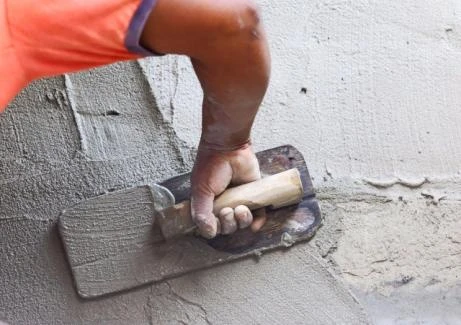
Exploring the Intricacies and Applications of HPMC Coating HPMC, or Hydroxypropyl Methylcellulose, coatings have emerged as a pivotal component in various industries, primarily in pharmaceuticals and food sectors. These coatings are not merely a protective layer but serve multifaceted roles that enhance product quality and consumer safety. Hydroxypropyl Methylcellulose is a semi-synthetic polymer derived from cellulose, the most abundant organic polymer on Earth. Its non-ionic, water-soluble properties make it an ideal candidate for coating applications. In pharmaceuticals , HPMC coatings play a crucial role in tablet and capsule formation. They not only provide a polished finish to the pharmaceutical products but also offer functionalities like controlled drug release, taste masking, and moisture protection. For instance, with controlled release formulations, HPMC coatings ensure that the drug is released at a predetermined rate and time, significantly enhancing therapeutic efficacy and patient compliance. In the food industry, HPMC is used extensively to improve the stability and shelf life of products. It forms an efficient barrier against oil and moisture loss, maintaining product freshness and texture. An example is its application in bread, where it acts as an anti-staling agent, ensuring prolonged softness and freshness. Coupled with its non-toxic and hypoallergenic qualities, HPMC is recognized as safe for human consumption by international regulatory bodies, which bolsters its credibility. hpmc coating The rise in vegetarianism and veganism has further propelled the demand for HPMC coatings, especially in pharmaceuticals. Traditional gelatin capsules, derived from animal by-products, are increasingly being replaced by HPMC-based capsules, which align with plant-based dietary preferences. This transition is supported by studies showing HPMC capsules have comparable disintegration and dissolution properties to their gelatin counterparts, assuring consistent drug delivery and absorption. Experts in material sciences highlight the adaptability of HPMC coatings as a notable advantage. By tweaking the degree of substitution and the molecular weight of HPMC, manufacturers can customize the viscosity and film-forming properties to meet specific product requirements. This flexibility not only enhances product development processes but also aids in scaling manufacturing operations by allowing precise control over the coating formulation. However, with the integration of HPMC coatings in product development, there are challenges that need to be addressed. These include ensuring the uniformity of the coating layer, which is critical for product performance, and managing the cost implications of high-quality HPMC, which can be a limiting factor for smaller enterprises. Industry leaders stress the importance of investing in advanced coating technologies and quality control systems to overcome these hurdles and maximize the benefits of HPMC applications. In conclusion, the evolving landscape of consumer preferences and technological advancements positions HPMC coatings as a transformative solution in various sectors. Their unrivaled functionality, combined with their adaptability, makes them an indispensable tool in enhancing product performance and market competitiveness. As manufacturers continue to innovate and refine HPMC formulations, the future of coating technologies promises to be both exciting and impactful, underscoring a commitment to quality and consumer satisfaction.
-

Utilizing Hydroxypropyl Methylcellulose (HPMC) in Skim Coats Expert Insights Hydroxypropyl Methylcellulose (HPMC) has emerged as a vital component in the construction industry, particularly in the formulation of skim coats. Its application not only enhances the overall quality of the finish but also optimizes the working conditions for contractors. As an expert delves into the nuanced benefits of HPMC for skim coats, it becomes evident that it is an indispensable material fostering exceptional results, grounded in its scientific properties and practical application. When it comes to producing a smooth, durable skim coat, understanding the precise role of HPMC is critical. Serving as a thickener, binder, film-former, and water retention agent, HPMC fortifies the coat, ensuring its consistent texture and durability. Its ability to improve the workability of the plaster or stucco by controlling its viscosity places it in high regard among applicators aiming for precision and ease of application. In practical settings, the water retention capacity of HPMC allows for extended working times which becomes crucial in high-temperature or low-humidity environments. This property not only ensures that the coat does not set too quickly, allowing for leisurely manipulations and adjustments but also aids in preventing cracks that might occur due to rapid evaporation of water from the mix. The excellent tensile strength provided by HPMC ensures that the final set coat is not only visually appealing but also robust in structure. Another valuable contribution of HPMC to skim coats lies in its adhesive properties . By improving the adhesion between the skim coat and its substrate, HPMC helps in minimizing detachment risks and ensures the longevity of the finish. This adhesive enhancement is vital for large-scale projects where the structural integrity of the coat is non-negotiable. hpmc for skim coat Technical expertise underscores the versatility of HPMC in adjusting setting times. By tailoring the quantity of HPMC in the mixture, professionals can manage setting and curing times to align with specific environmental conditions and project schedules. This adaptability underscores HPMC's critical role in mitigating project risks associated with weather-induced delays or imperfections. Moreover, incorporating HPMC optimizes the surface activity of skim coats, contributing significantly to enhanced stain resistance and finishing quality. Its ability to form an evenly distributed film over surfaces ensures that the final finish can resist external contaminants, providing a cleaner and more resilient surface. The authoritative endorsement of HPMC for use in skim coats is well-established through scientific research and real-world applications. Industry experts consistently rely on HPMC due to its proven, reliable performance and economic feasibility. As a scientifically backed additive, it garners trust not only from contractors and builders but also from environmental scientists for its non-toxic nature and biodegradability. This eco-friendly profile of HPMC solidifies its standing as a sustainable choice in modern construction practices. Increasingly, the construction industry values such sustainable practices, and HPMC's profile aligns well with green building standards, making it an ideal choice for contemporary projects. As building practices evolve towards more sustainable and environmentally friendly methods, materials such as HPMC gain prominence for aligning with these future-forward standards and regulations. In conclusion, the utilization of HPMC in skim coat formulations brings substantial technically and environmentally grounded improvements, enhancing the quality and lifespan of the coat. Its robust physical properties foster reliability and adaptability crucial for modern building demands. As the construction sector continues to lean into these multi-benefit materials, industry experts can confidently assert that HPMC not only meets but surpasses current standards for enhancing construction material performance. Its established efficacy, coupled with environmental compatibility, presents HPMC as a trusted choice for skim coat applications.
advantages
-

200000 Viscosities
Excellent product
We can produce pure products up to 200,000 viscosities
-

40000 tons
High yield
We don’t stop production all year round, and the annual output can reach 40,000 tons
-

24 hours
Quality service
We provide 24-hours online reception service, welcome to consult at any time
———— Inquiry Form
Schedule A services
-
 polypropylene_fiber_para_sa_pagbebenta
Oct . 25, 2025
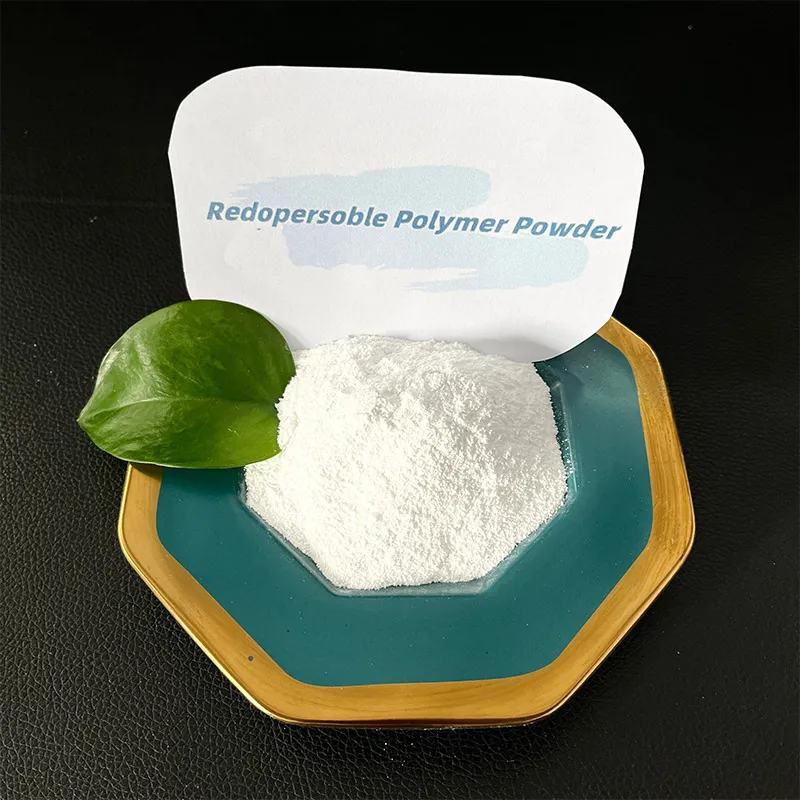
Retained Hydroxypropyl Methylcellulose (HPMC) has long been a cornerstone in various industrial and -
 pati_eter_cina
Oct . 25, 2025
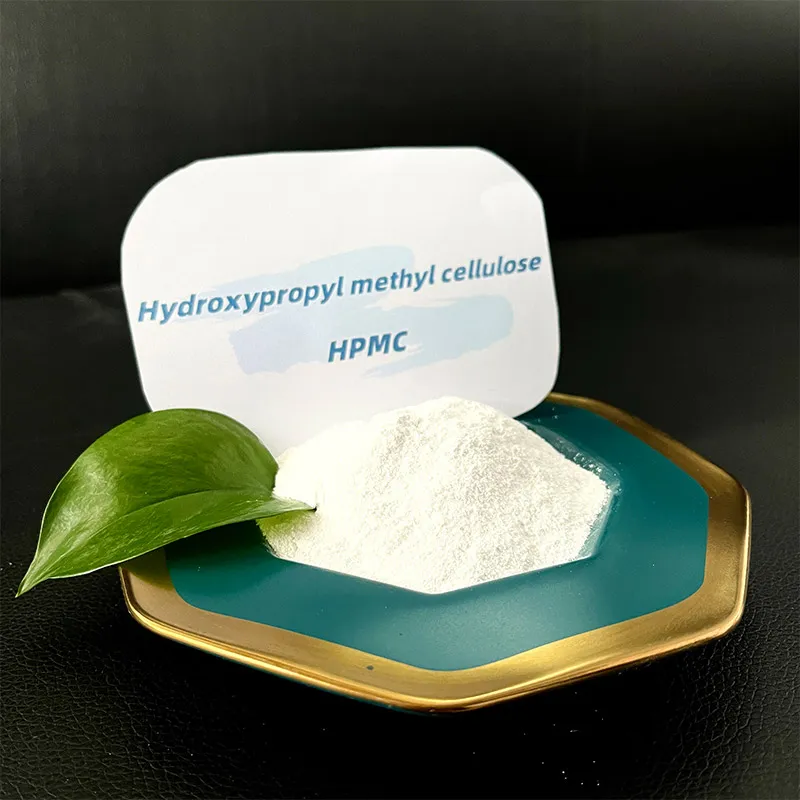
Hydroxypropyl methylcellulose (HPMC) is a versatile and reliable polymer commonly adopted in various -
 hpmc_selulosi
Oct . 25, 2025
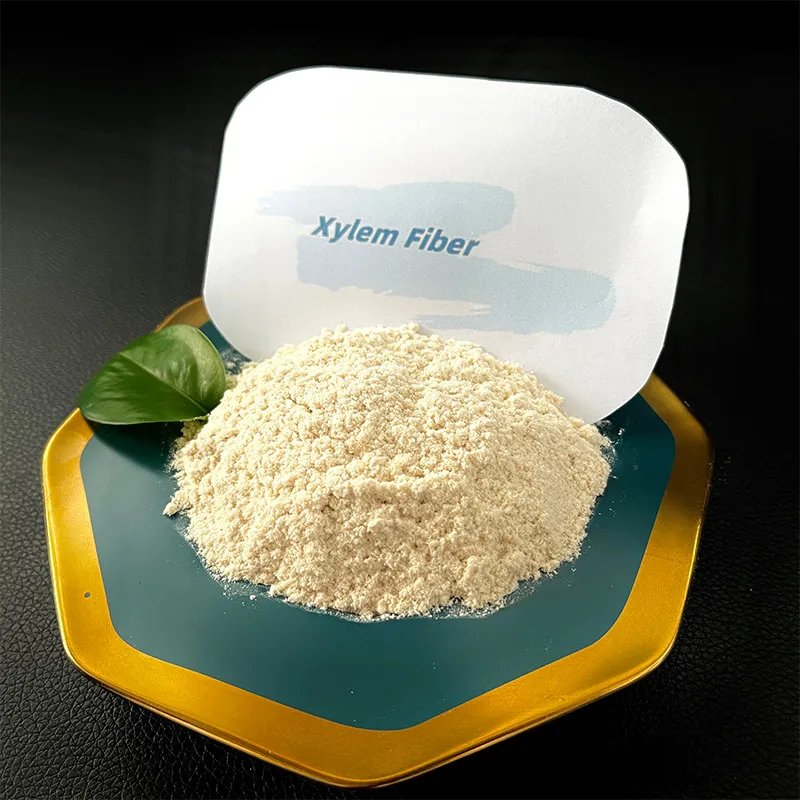
Hydroxypropyl methylcellulose (HPMC) and carboxymethyl cellulose (CMC) are two of the most widely us


